
If you’re new to peptides, the sheer amount of information can feel overwhelming. This guide breaks down everything you need to know to get started safely and effectively.
Understanding Peptides
Peptides are short chains of amino acids — typically 2 to 50 amino acids linked together. They act as signaling molecules in the body, triggering specific biological responses. Unlike hormones, most peptides have targeted, specific effects with fewer systemic side effects.
Popular Peptides for Beginners
- BPC-157 — Best for healing injuries and gut health
- CJC-1295/Ipamorelin — Best for growth hormone optimization
- Thymosin Alpha-1 — Best for immune system support
- GHK-Cu — Best for skin and anti-aging
Essential Equipment
- Bacteriostatic water for reconstitution
- Insulin syringes (29-31 gauge)
- Alcohol swabs for injection site prep
- Proper refrigeration for reconstituted peptides
Safety First
Always source from vendors with third-party testing. Start with conservative doses. Keep detailed logs of your protocol, dosing, and results. And most importantly — consult with a knowledgeable healthcare provider before starting any peptide regimen.
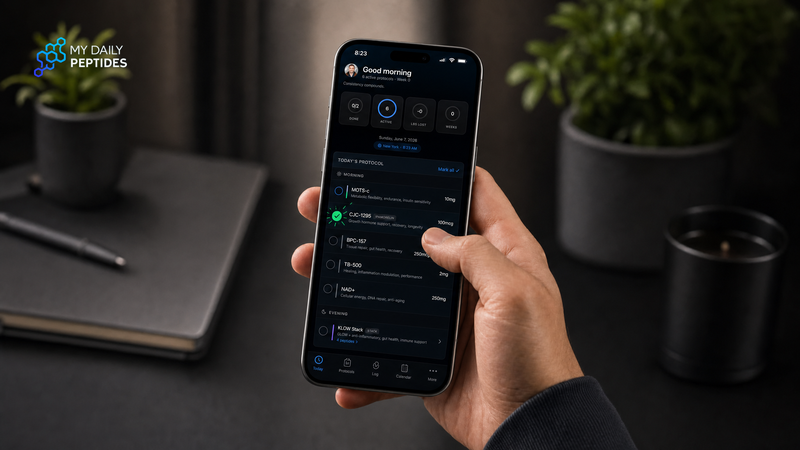
Use our Peptide Tracker to log your daily doses, track your protocols, and monitor your progress over time.
Frequently Asked Questions
What is BPC-157?
BPC-157 (Body Protection Compound 157) is a synthetic peptide derived from a human gastric protein. It is studied for its remarkable regenerative properties, including accelerating healing of tendons, muscles, and gut tissue. BPC-157 modulates growth hormone receptors and nitric oxide pathways, making it one of the most researched healing peptides available.
What are BPC-157’s main benefits?
Research on BPC-157 suggests benefits including accelerated tendon and ligament healing, gut lining repair for conditions like leaky gut and IBD, reduced inflammation, neuroprotection, and improved angiogenesis. Athletes use it for injury recovery while others use it for digestive health. Most evidence comes from animal studies and anecdotal clinical reports.
How is BPC-157 typically dosed and administered?
BPC-157 is commonly used at 250–500 mcg per day, administered via subcutaneous injection near the injury site or systemically. Oral BPC-157 exists and may be preferred for gut-related applications. Cycles typically run 4 to 8 weeks. A qualified healthcare provider should guide dosing based on individual goals and health status.
Is BPC-157 FDA-approved?
BPC-157 is not FDA-approved for human use. It is classified as a research chemical in the United States. Compounding pharmacies previously offered it but FDA guidance has restricted this. It remains legal for research purposes. Individuals using BPC-157 do so outside formal clinical approval and should exercise appropriate caution.
Are there any side effects of BPC-157?
BPC-157 is generally reported as well-tolerated in animal studies and human anecdotal reports. Commonly reported minor side effects include dizziness, nausea, and injection site irritation. No serious adverse events are consistently documented, but long-term human safety data is lacking. Medical supervision is advised for anyone considering a BPC-157 protocol.
This article is for informational purposes only and does not constitute medical advice. Consult a qualified healthcare professional before starting any peptide therapy or skincare regimen.
gatlan-callout”>


Ready to Start Your Peptide Journey?
Finding a qualified provider is the most important first step. Gatlan connects you with licensed telehealth professionals who specialize in peptide therapy — so you can get expert guidance, proper protocols, and pharmaceutical-grade peptides prescribed safely.